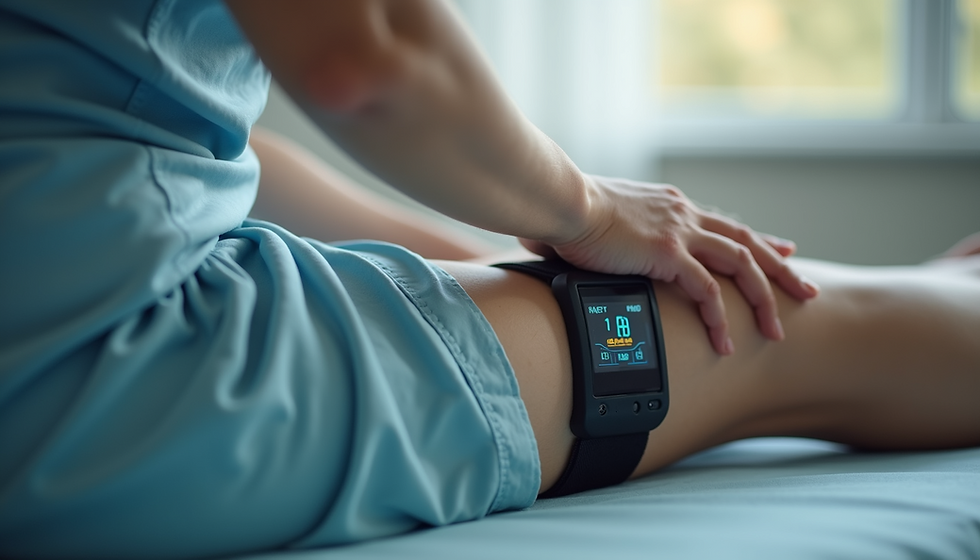
Sciatica Relief with Physiotherapy At Home: A Guide
Updated: May 15, 2025
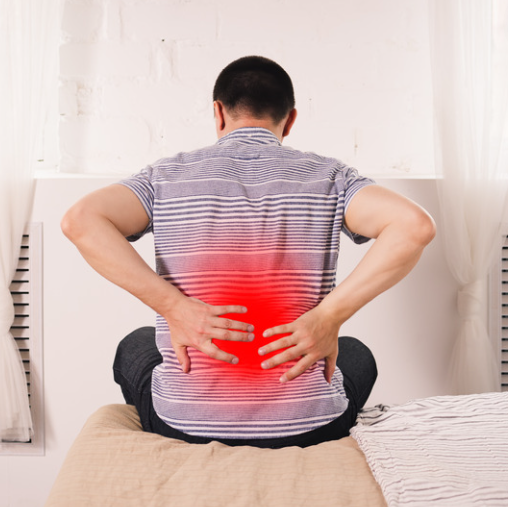
Sciatica is a painful condition that causes discomfort in the lower back, hips, and legs — often making daily movement challenging. At Physica, we believe that effective treatment shouldn’t require long clinic visits or hospital queues. That’s why we offer affordable physiotherapy at home, bringing expert care directly to your doorstep.
What is Sciatica?
Sciatica refers to nerve pain that radiates along the sciatic nerve, starting from the lower back and traveling through the buttocks and down each leg. It typically affects one side of the body and can range from dull aches to sharp, shooting pain.

Anatomy of the Sciatic Nerve
The sciatic nerve is the longest and thickest nerve in the human body, originating in the lumbar spine. It branches through the hips and buttocks and extends down each leg. When this nerve is compressed — by a herniated disc or spinal misalignment — it results in the classic symptoms of sciatica.
How Sciatica Affects Daily Life
Sciatica can make even simple tasks — like walking, bending, or sitting — difficult. It often begins in the lower back and travels down the leg, sometimes reaching the toes. If left untreated, it can lead to long-term weakness and reduced mobility.
Our home-based physiotherapy treatment focuses on easing pain while improving strength and flexibility, all from the comfort of your home.
Common Symptoms of Sciatica
Knowing what to look for can help you get timely, effective care at home:
Sharp, radiating pain from the lower back to the leg
Burning or tingling sensations in the buttocks or thigh
Pain that worsens after sitting for long durations
Numbness or weakness in the affected leg
Difficulty walking or standing for long periods
Common Causes of Sciatica
Herniated Discs & Spine-Related Issues
A slipped disc can press against the sciatic nerve, causing inflammation and pain.
Lifestyle Triggers
Poor posture, long hours at a desk, lack of exercise, and lifting heavy weights incorrectly can all contribute to sciatica. These issues are especially relevant in today's sedentary lifestyle.
T
he good news? These triggers can be addressed with targeted physiotherapy sessions at home.
When to Seek Help
If you're experiencing persistent lower back pain or leg pain, don’t ignore it. Early intervention can prevent further complications.
Diagnosis at Home
Physica’s licensed physiotherapists offer in-home assessments to determine the cause of your symptoms. If needed, we may recommend additional diagnostics via your local radiologist or physician.
Seek Immediate Care If You Experience:
Sudden loss of bowel or bladder control
Progressive leg weakness
Intense, unmanageable pain
Home-Based Treatment Options for Sciatica
At Physica, we focus on non-invasive, practical therapies that can be done at home. You no longer need to commute to a clinic to access world-class care.
1. Personalized Physiotherapy Plans
We create exercise routines tailored to your pain pattern, spine health, and mobility goals. These are conducted by certified physiotherapists during home visits.
2. Pain Management Techniques
Use of ice/heat packs, stretching, and guided movements to alleviate inflammation.
3. Posture Correction & Ergonomics
We help you improve daily posture, modify workstations, and use back support tools — all from your living space.
Lifestyle Remedies You Can Practice at Home
Gentle yoga and back stretches
Walking daily in short intervals
Lumbar cushions for prolonged sitting
Avoiding heavy lifting or twisting
Your home environment becomes your healing zone, with Physica guiding you through every step.
Preventing Sciatica Recurrence at Home
Our therapists also focus on preventive physiotherapy, helping you reduce the chances of flare-ups in the future and help achieve sciatica relief with home physiotherapy
Tips You Can Practice:
Take microbreaks if you sit for long hours
Use ergonomically correct furniture
Include 10 minutes of stretching daily
Strengthen your core and lower back muscles
FAQs: Home Physiotherapy for Sciatica
Q: Can sciatica be treated completely with home physiotherapy?
A: Yes, most cases improve significantly with guided physiotherapy treatment at home, especially when started early.
Q: How long before I see results?
A: Many patients experience relief within 5–10 sessions, depending on severity and consistency.
Q: What if I need urgent help?
A: Our support team can fast-track an appointment, and we also coordinate with medical professionals if surgical review is required.